P-51 Mustang flying over Aviator Brewery

Fuquay-Varina, North Carolina - brewing since 2008

Aviator Brewery

Built from a one-person airplane-hangar brewery into a five-acre campus anchored by a fully automated 60-barrel, four-vessel brewhouse.

2008 First hangar batch60 BBL Brewhouse04 Brewhouse vessels2025 Campus opened

Open since November 28, 2008

Time in flight.

Years
00
Months
00
Days
00
Hours
00
Minutes
00
Seconds
00

Built for the next batch

More room for the beer, the crew, and the people who come see it happen.

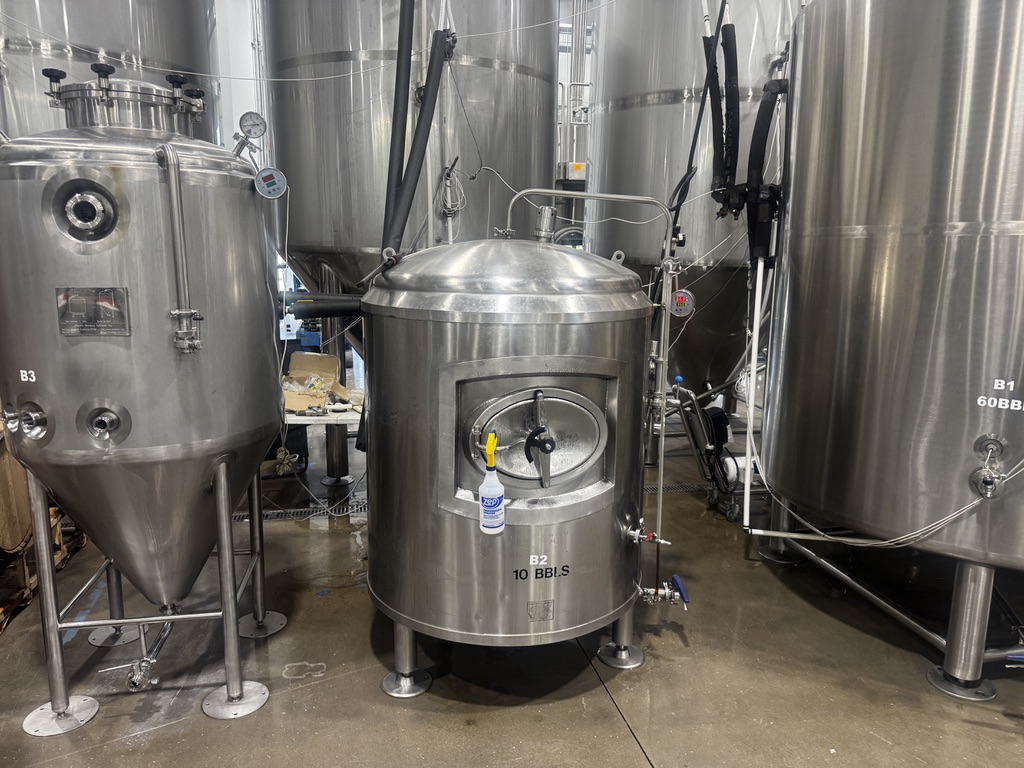
Aviator Brewing Company began in November 2008 inside a small airplane hangar in Fuquay-Varina, North Carolina. The original operation was lean and hands-on: one employee, a compact brewing system, and two retired 300-gallon dairy tanks repurposed as fermenters. What it lacked in size, it made up for in ambition, resourcefulness, and a determination to produce distinctive craft beer locally.

Demand grew almost immediately. As more people discovered Aviator beer, the tiny hangar brewery quickly reached its limits. Two used 30-barrel fermenters were brought in to expand production, and by January 2009, just a few months after the first batches were brewed, Aviator beer was being distributed throughout the Triangle. From those early tanks and improvised beginnings, the company continued adding equipment, employees, brands, and places for customers to gather.

Over the following years, Aviator developed into far more than a production brewery. The business expanded through restaurants, taprooms, live entertainment, special events, and a growing portfolio of craft beverages. Each stage of growth was built around the same basic idea: make great products, create memorable experiences, and give people a reason to come together.

Planning for the current brewery campus began in 2018. The vision was not simply to construct a larger brewery. Aviator wanted to create a complete destination where brewing, dining, entertainment, private events, and hospitality could operate together. The new facility needed the production capacity and modern controls required for future growth, while still preserving the character and aviation heritage that shaped the company from the beginning.

Turning that vision into reality required years of engineering, design, permitting, site preparation, construction, equipment installation, and problem-solving. Every part of the property was planned to connect the production brewery with the customer experience, allowing guests to see, taste, and enjoy Aviator products in the same place they are made.

The new campus at 688 Brewing Drive opened in April 2025. It represents the next chapter of Aviator Brewing Company: a larger and more advanced brewing operation surrounded by restaurants, bars, event spaces, live music, outdoor gathering areas, and aviation-inspired experiences.

What began with one employee and two old dairy tanks has grown into a destination built around craft, hospitality, and community. The equipment is bigger, the campus is larger, and the reach is wider, but the spirit remains the same: build it ourselves, keep improving, and create something people are excited to experience.

From grain to glass

One batch. Six checkpoints.

The equipment handles scale. The brewing decisions still happen one recipe, one batch, and one release at a time.

Recipe builder

Choose a target beer.

A beer recipe is built backward from the finished glass: color, strength, malt body, hop impact, yeast character, carbonation, and where the beer will be served.

Deep amberA small caramel addition deepens color and gives hops a malt backbone.

Active checkpoint 01

Recipe + grain bill

Control
Color starts here
Output
Malt plan

A recipe starts with the target beer: style, strength, color, bitterness, aroma, finish, and where it will be poured. Brewers choose base malt for fermentable sugar, then add specialty grain for color, body, toast, caramel, chocolate, or roast.

Move between sample recipes to see how the grain bill changes the beer color before the first tank is filled.

Grain + color

2-row base malt plus caramel support

A small caramel addition deepens color and gives hops a malt backbone.

Hop plan

High late-hop aroma

Bitterness, flavor, and aroma come from when hops enter the process and how much contact time they get.

Fermenter watch

Ale yeast keeps fruit and hop oils expressive

Target ABV
6.7%
Temp
66-70 F
CO2
2.45 vols

No yeast yet. This is the blueprint: grain weight, water profile, hop timing, yeast strain, target ABV, and carbonation.

  1. 01

    Recipe + grain

    Every beer begins with a target: the style, strength, color, aroma, and finish the brewing crew wants in the glass. Malt and specialty grain build the foundation before a batch enters the brewhouse.

  2. 02

    Mash + separation

    Hot water and milled grain meet in the mash. Time and temperature help convert grain starches into fermentable sugars, then the sweet wort is separated from the spent grain.

  3. 03

    Boil + hops

    The wort moves through the kettle and whirlpool stages. Hop timing shapes bitterness, flavor, and aroma while the brewery prepares the batch for fermentation.

  4. 04

    Fermentation

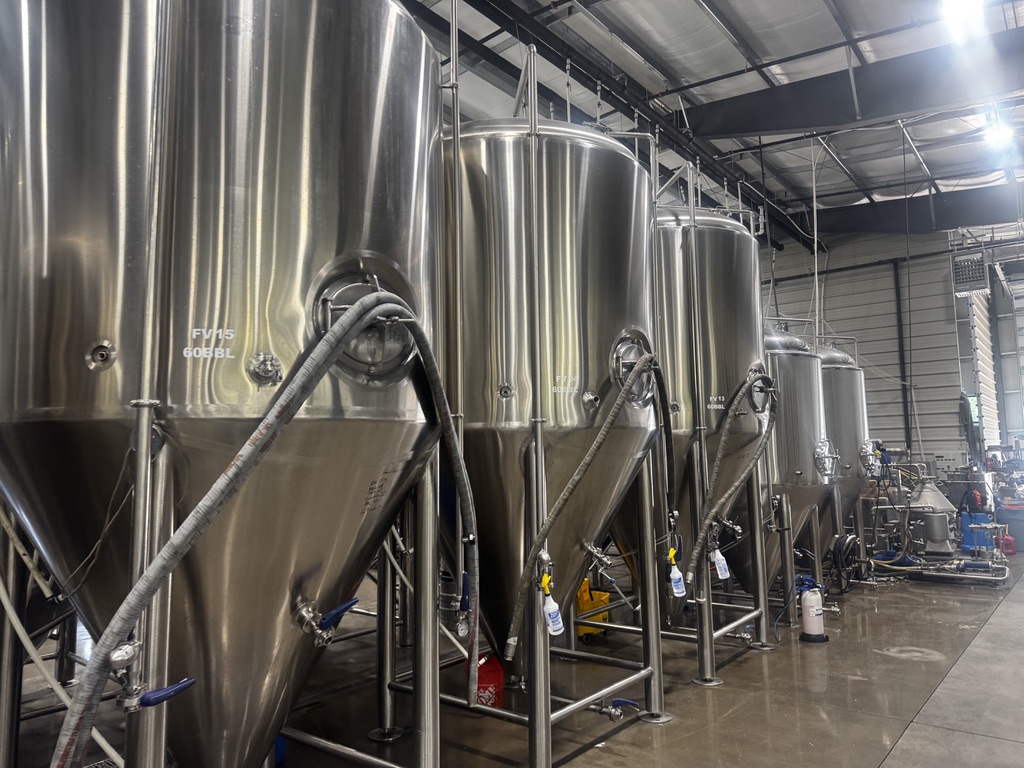
    Yeast takes over in the cellar, converting sugars into alcohol and carbonation while creating the fermentation character that defines the finished beer.

  5. 05

    Condition + check

    The beer is given time to settle into balance. The crew checks the batch against its recipe and release goals before it moves forward.

  6. 06

    Package + pour

    Finished beer moves to the format built for its next stop, from brewery-fresh draft pours to packaged releases headed across the Aviator lineup.

Inside Aviator Brewery

The production system

A 60-barrel brewhouse built for repeatable work.

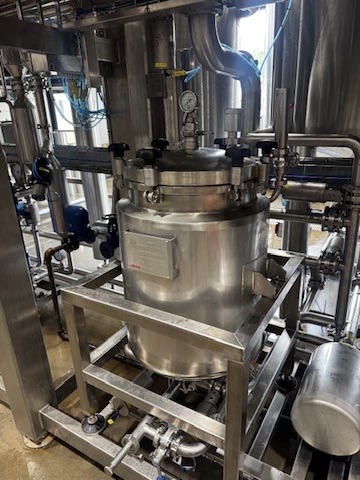
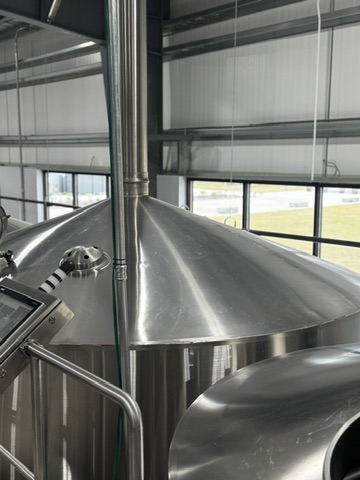
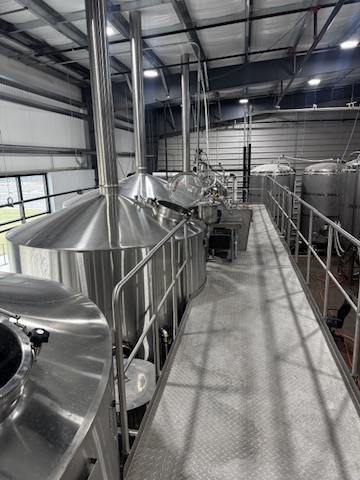
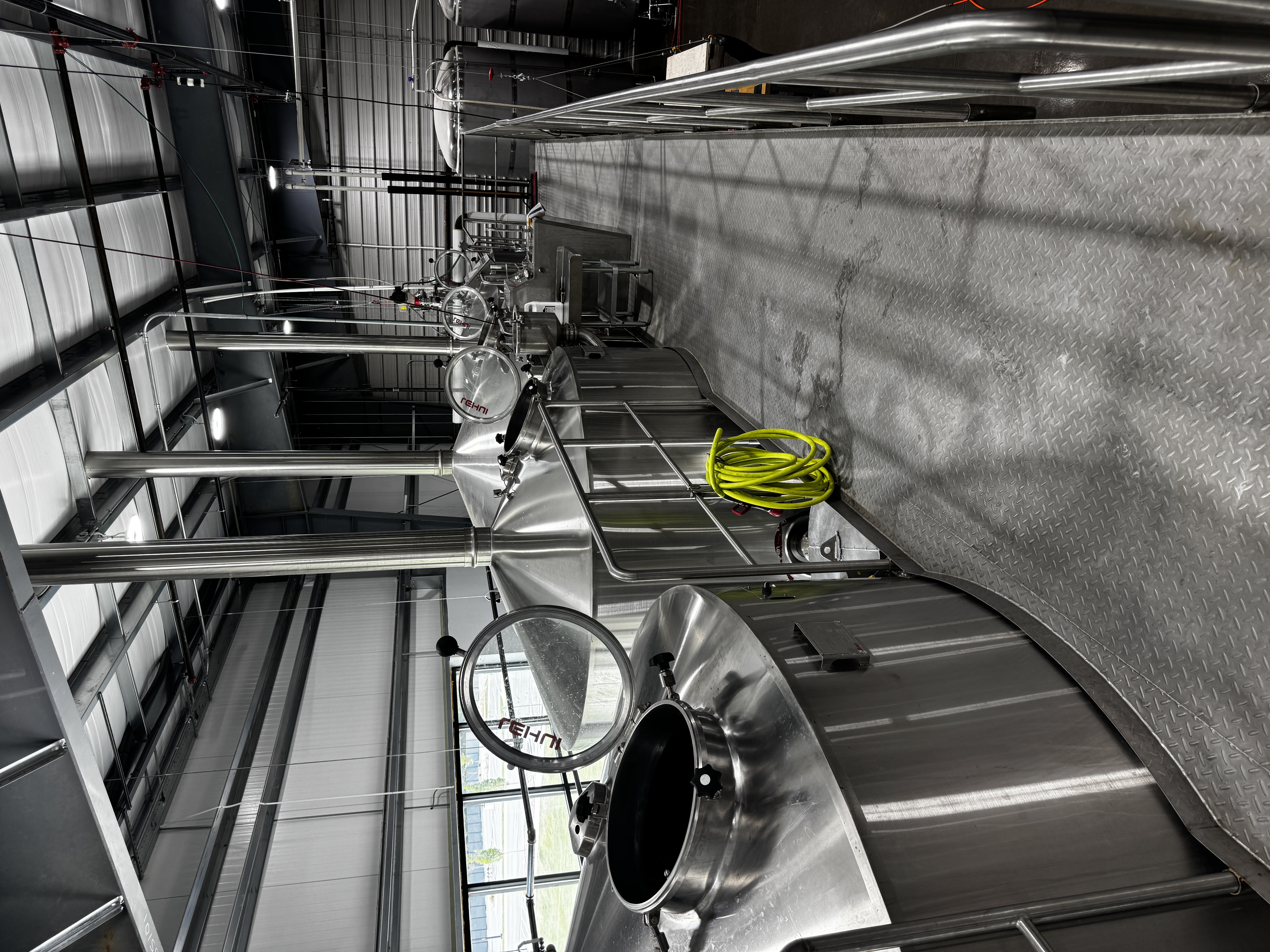
The four-vessel configuration lets the brewing team move major brewhouse stages through dedicated equipment. Automation supports control and consistency across larger batches while the crew remains responsible for recipes, timing, fermentation, conditioning, and release decisions.

Brewhouse
Fully automated, 60-barrel system
Configuration
Four dedicated brewhouse vessels
Campus
Five acres at 688 Brewing Drive
Connection
Brewery, hospitality, events, and tours on one campus

Brewery flight log

From two dairy tanks to a new brewing campus.

2008

The first hangar

One employee, two repurposed 300-gallon dairy tanks, and the first Aviator batches.

2009

Beer leaves the field

Distribution begins across the Triangle and the original TapHouse opens in historic Varina.

2018

The next brewery takes shape

Planning begins for a five-acre campus and a fully automated 60-barrel, four-vessel brewhouse.

2025

688 Brewing Drive opens

The new campus opens in April, bringing production, beer, food, music, events, and gathering together.

See where it is brewed

Walk the brewery with the Aviator crew.

Saturday brewery tours cover the brewhouse, the campus story, and the route each batch takes toward a finished pour.